

Introduction
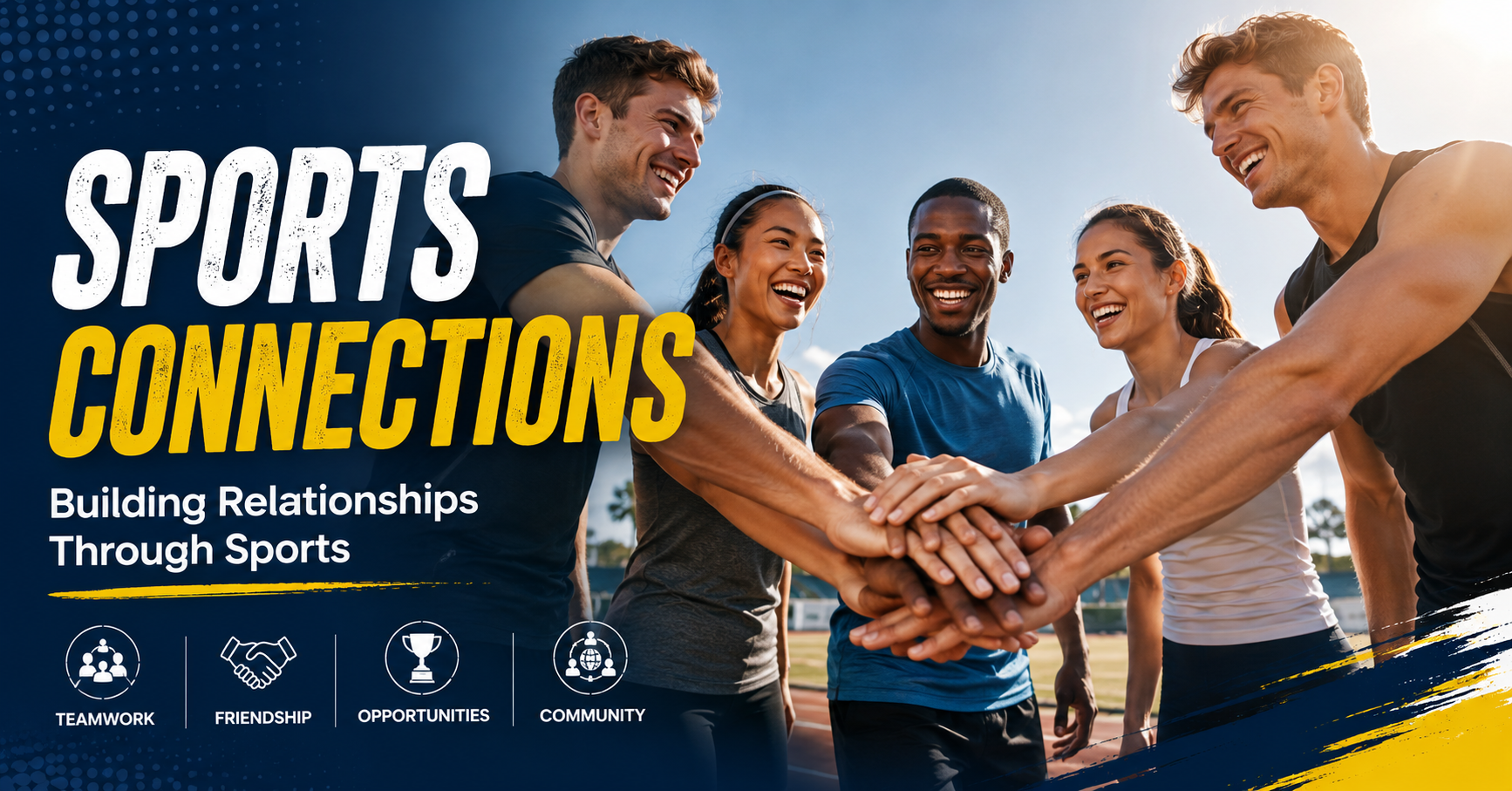
Sports have always been more than just games. Whether it is football, basketball, cricket, tennis, or any other activity, sports bring people together in powerful ways. The concept of sports connections refers to the relationships, networks, and bonds that are formed through participation in sports. These connections can develop between teammates, coaches, fans, organizations, and even entire communities.
In today’s interconnected world, sports connections extend beyond local fields and stadiums. Social media, sports clubs, professional leagues, and online communities allow people to connect with others who share the same passion for sports. These relationships often lead to personal growth, career opportunities, lifelong friendships, and stronger communities.
This article explores what sports connections are, why they matter, and how they impact individuals and society.
What Are Sports Connections?
Sports connections are the relationships and networks created through sports participation, competition, and fandom. These connections can exist at different levels, including personal, professional, and community-based relationships.
For example, a young soccer player may build friendships with teammates that last for years. A coach may connect athletes with scholarship opportunities. Sports fans may form communities around their favorite teams and players.
At their core, sports connections are about shared experiences. People who play, watch, or support sports often develop strong bonds because they experience victories, defeats, challenges, and celebrations together.
Why Sports Connections Matter
Sports connections provide value far beyond physical activity. They contribute to emotional well-being, social development, and professional success.
When individuals participate in sports, they learn how to communicate, collaborate, and trust others. These skills strengthen relationships and help people succeed in many areas of life.
Some key benefits include:
- Stronger friendships and social networks
- Improved teamwork and communication skills
- Increased career and educational opportunities
- Better mental health and emotional support
- Greater community involvement
As a result, sports connections often become an important part of a person’s personal and professional journey.
The Role of Teamwork in Sports Connections
Teamwork is one of the strongest foundations of sports connections. Athletes depend on one another to achieve common goals. This reliance naturally creates trust and mutual respect.
For example, a basketball team must communicate effectively during games. Players learn each other’s strengths and weaknesses over time. Through practices, competitions, and shared experiences, they develop strong relationships that often extend beyond sports.
These teamwork skills are valuable in everyday life. Employers frequently seek individuals who can collaborate effectively, and sports participation provides practical experience in working with others.
Learning Trust Through Sports
Trust develops when teammates consistently support one another. Athletes learn to rely on their teammates during challenging situations, whether defending a lead or overcoming a tough loss.
This trust-building process strengthens sports connections and teaches valuable life lessons about cooperation and accountability.
Sports Connections and Personal Development
Sports help individuals develop important personal qualities. The relationships formed through sports often encourage growth and self-improvement.
Athletes regularly encounter challenges such as competition, setbacks, injuries, and pressure. Support from coaches, teammates, and mentors helps them navigate these experiences successfully.
Key Personal Skills Developed Through Sports
| Skill | How Sports Help |
|---|---|
| Leadership | Athletes learn to motivate and guide others |
| Discipline | Regular training encourages consistency |
| Communication | Team activities improve interpersonal skills |
| Confidence | Achieving goals boosts self-esteem |
| Resilience | Athletes learn to recover from setbacks |
These skills often strengthen sports connections because individuals learn how to support and inspire one another.
Sports Connections in Education
Schools and universities have long recognized the value of sports. Student-athletes often benefit from relationships with coaches, teammates, and academic mentors.
Sports programs provide opportunities for networking and mentorship. Coaches frequently guide students not only in athletics but also in academics and career planning.
Many athletes also gain access to scholarships and educational opportunities through their sports connections. These networks can open doors that may not otherwise be available.
For example, a talented high school athlete may be introduced to college recruiters through a coach’s professional network. Such connections can significantly influence future educational and career paths.
Career Opportunities Created by Sports Connections
Sports connections often play a major role in professional development. While many people think only of professional athletes, sports-related careers exist in numerous industries.
These include:
- Sports management
- Coaching
- Broadcasting
- Marketing
- Event management
- Sports medicine
- Fitness training
Networking within the sports industry can help individuals discover job opportunities, mentorship programs, and business partnerships.
For instance, someone volunteering at local sporting events may meet industry professionals who later provide career guidance or employment opportunities.
The Importance of Networking in Sports
Networking is a natural outcome of sports participation. Athletes, coaches, officials, sponsors, and fans interact regularly, creating opportunities to build meaningful relationships.
Many successful professionals credit sports connections for helping them advance their careers. The trust and credibility developed through sports often lead to valuable opportunities.
Community Building Through Sports Connections
Sports have a unique ability to unite communities. Local leagues, school competitions, and professional teams bring people together regardless of age, background, or occupation.
Community sports programs often create a sense of belonging. Residents gather to support local teams, volunteer at events, and celebrate achievements together.
These activities strengthen social ties and encourage civic engagement.
Examples of Community Sports Connections
- Youth sports leagues connecting families
- Charity sports events supporting local causes
- Community tournaments encouraging participation
- School sports programs building school spirit
When communities rally around sports, they often develop stronger relationships and greater social cohesion.
Digital Sports Connections in the Modern Era
Technology has transformed the way sports fans and athletes connect.
Today, sports enthusiasts can interact with others worldwide through online platforms, forums, social media groups, and sports apps. Fans can discuss games, share insights, and build friendships despite living in different countries.
Athletes also use digital platforms to connect with coaches, recruiters, sponsors, and supporters.
Benefits of Online Sports Communities
Digital sports communities provide several advantages:
- Access to global sports discussions
- Opportunities to learn from experts
- Easier networking with athletes and coaches
- Real-time updates and engagement
However, maintaining healthy online interactions remains important. Positive communication helps strengthen meaningful sports connections rather than creating unnecessary conflicts.
Sports Connections and Mental Health
Mental health has become an increasingly important topic in sports. Strong sports connections can provide emotional support during difficult times.
Athletes often experience pressure related to performance, injuries, and competition. Having trusted teammates, coaches, and mentors can make a significant difference.
Research consistently shows that social support contributes to improved mental well-being. Sports environments that encourage positive relationships often help individuals manage stress and build resilience.
In many cases, the friendships formed through sports become valuable support systems that extend beyond athletic participation.
Challenges in Building Sports Connections
While sports connections offer many benefits, they are not always easy to develop.
Some common challenges include:
| Challenge | Impact |
|---|---|
| Poor communication | Can create misunderstandings |
| Excessive competition | May damage relationships |
| Limited opportunities | Restricts networking potential |
| Geographic barriers | Makes in-person interaction difficult |
| Time commitments | Can affect relationship building |
Recognizing these challenges allows individuals and organizations to create more inclusive and supportive sports environments.
How to Build Strong Sports Connections
Creating meaningful sports connections requires effort and consistency. Whether you are an athlete, coach, fan, or industry professional, there are practical ways to strengthen your network.
Effective Strategies
- Participate actively in sports communities.
- Attend local sporting events and tournaments.
- Support teammates and fellow athletes.
- Communicate openly and respectfully.
- Use social media professionally.
- Seek mentorship opportunities.
- Volunteer at sports organizations.
Building authentic relationships takes time, but the long-term benefits are often significant.
Real-World Examples of Sports Connections
Many successful athletes highlight the importance of relationships in their careers.
A young athlete may receive guidance from an experienced coach who helps them improve both personally and professionally. A teammate may introduce someone to a scholarship opportunity. A sports fan may build lifelong friendships through shared support of a favorite team.
Even at the professional level, strong sports connections often contribute to career longevity and success. Players, coaches, and executives frequently rely on trusted networks developed over many years.
These examples demonstrate that sports connections are not simply about winning games. They are about creating meaningful relationships that can positively influence lives.
Pros and Cons of Sports Connections
| Pros | Cons |
|---|---|
| Builds strong friendships | Can lead to social pressure |
| Improves teamwork skills | Competition may create conflicts |
| Expands professional networks | Time commitment can be significant |
| Supports mental well-being | Not all relationships remain positive |
| Creates community engagement | Networking opportunities may vary |
| Encourages personal growth | Some groups may be less inclusive |
Frequently Asked Questions
What does sports connections mean?
Sports connections refer to the relationships, networks, and bonds formed through sports participation, coaching, fandom, and sports-related activities.
Why are sports connections important?
They help individuals build friendships, improve teamwork skills, access opportunities, and strengthen community involvement.
Can sports connections help careers?
Yes. Many careers in sports and other industries benefit from networking, mentorship, and professional relationships developed through sports.
How do sports connections improve mental health?
Strong relationships provide emotional support, reduce feelings of isolation, and help individuals manage stress and challenges more effectively.
Are online sports communities useful?
Yes. Online communities allow athletes and fans to connect globally, share knowledge, and build relationships beyond geographic boundaries.
Conclusion
Sports connections are one of the most valuable aspects of sports participation. While competition and performance often receive the most attention, the relationships formed through sports frequently have the greatest long-term impact.
From friendships and mentorships to career opportunities and community engagement, sports connections influence nearly every aspect of personal and professional life. They help people develop essential skills, overcome challenges, and create lasting support networks.
Whether you are an athlete, coach, parent, or fan, investing in meaningful sports connections can enrich your experience and open doors to new opportunities. Continue engaging with your local sports community, support others, and build relationships that extend far beyond the game itself.