

Introduction
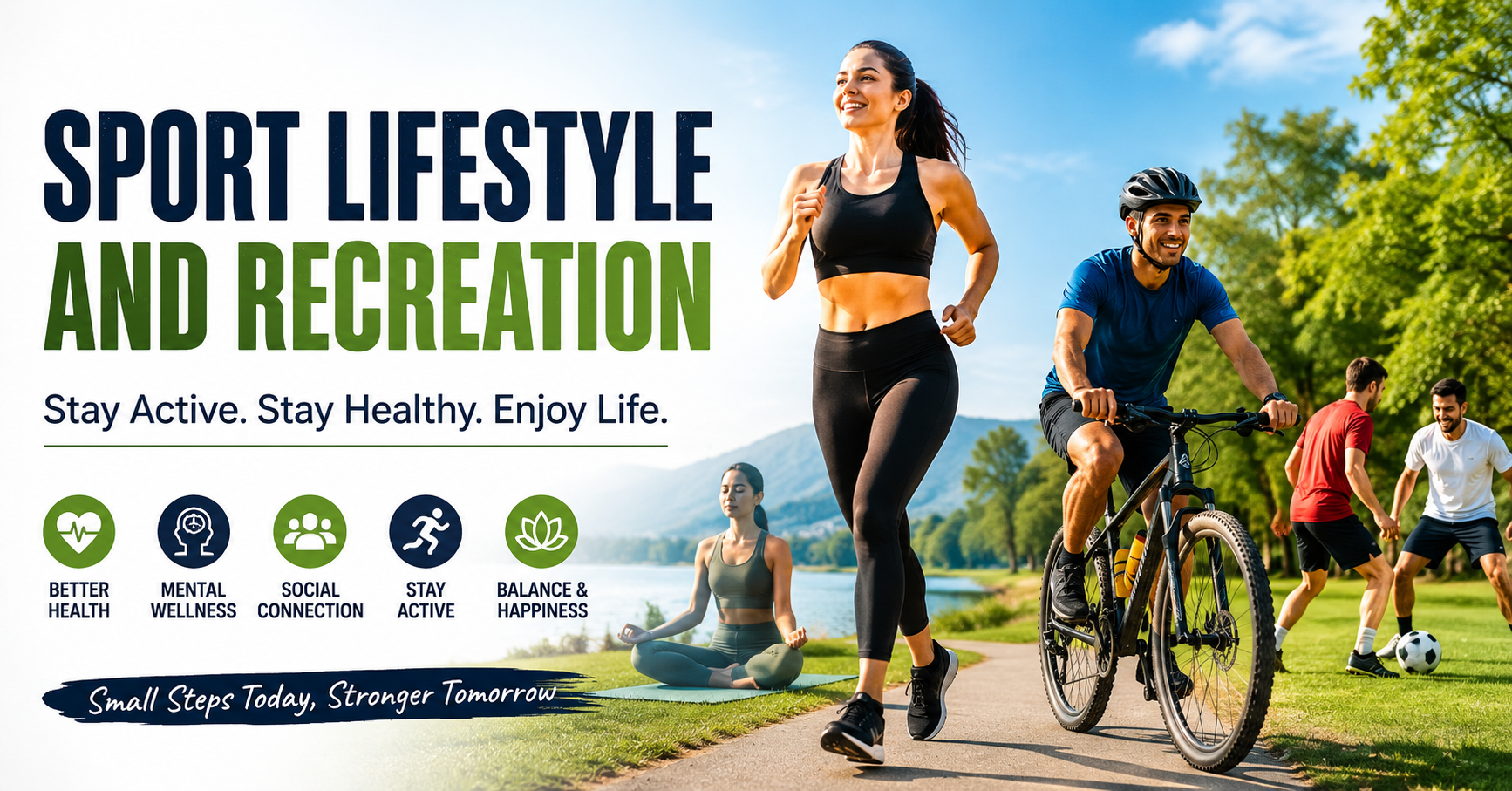
Modern life has become fast, stressful, and heavily dependent on screens. Many people spend long hours sitting at desks, using smartphones, or dealing with work pressure. Because of this, maintaining a healthy balance between physical activity and relaxation is more important than ever. This is where sport lifestyle and recreation play a powerful role.
A sport lifestyle is not only about professional athletes or intense training. It is a way of living that includes physical activity, healthy habits, recreation, and social engagement. Recreation, on the other hand, refers to enjoyable activities that help people relax, refresh, and improve their overall well-being.
From playing football in a local park to cycling on weekends or joining a fitness class, sports and recreation create opportunities for healthier living. They improve physical fitness, reduce stress, and help people build stronger social connections. Most importantly, they make life more active and enjoyable.
What Is a Sport Lifestyle?
A sport lifestyle means incorporating physical activity and healthy routines into daily life. It focuses on movement, fitness, discipline, and mental wellness. This lifestyle can include organized sports, recreational activities, exercise routines, outdoor adventures, and wellness habits.
People who follow a sport lifestyle often prioritize:
- Regular physical activity
- Healthy eating habits
- Good sleep and recovery
- Mental balance and stress management
- Social interaction through sports or group activities
The good thing is that anyone can adopt this lifestyle. You do not need to become a professional athlete. Simple activities like jogging, swimming, hiking, or even daily walking can make a major difference.
The Importance of Recreation in Daily Life
Recreation is essential because it allows the body and mind to recover from stress and routine pressure. Recreational activities can be physical, creative, or social. Sports-based recreation is especially valuable because it combines enjoyment with health benefits.
For example, many families spend weekends playing cricket, cycling together, or visiting parks. These activities not only improve fitness but also strengthen relationships and create positive memories.
Studies from global health organizations consistently show that regular physical activity reduces the risk of heart disease, obesity, diabetes, and anxiety. Recreation also helps improve concentration, mood, and productivity.
In today’s busy world, recreation is no longer a luxury. It has become a necessity for maintaining a balanced and healthy life.
Physical Health Benefits of Sports and Recreation
One of the biggest advantages of a sport lifestyle is improved physical health. Regular movement helps the body stay strong, flexible, and energetic.
Better Heart Health
Sports activities increase blood circulation and strengthen the heart. Activities such as running, swimming, football, and cycling help lower blood pressure and improve cardiovascular fitness.
Weight Management
Physical activity burns calories and supports a healthy metabolism. People who participate in regular recreation are more likely to maintain a healthy body weight.
Stronger Muscles and Bones
Exercise strengthens muscles, joints, and bones. This is especially important as people age because it reduces the risk of injuries and osteoporosis.
Improved Energy Levels
Although exercise requires effort, it actually boosts long-term energy. Active people often feel more productive and less tired during the day.
Mental and Emotional Benefits
Sports and recreation are not only good for the body. They also have a major impact on mental health.
When people exercise, the brain releases chemicals called endorphins. These chemicals improve mood and reduce feelings of stress or sadness. This is one reason why many people feel relaxed after a workout or outdoor activity.
Regular recreational activities can help with:
- Stress reduction
- Better sleep quality
- Increased self-confidence
- Reduced anxiety
- Improved focus and concentration
For students and office workers, even short physical activities during the day can improve mental performance and reduce burnout.
Social Benefits of a Sport Lifestyle
Sports naturally bring people together. Whether it is a local football match, a gym session, or a recreational hiking group, physical activities encourage teamwork and communication.
Children learn valuable life skills through sports, including discipline, leadership, and cooperation. Adults also benefit by expanding their social circles and building stronger friendships.
Community sports events often create a sense of belonging. People from different backgrounds come together with a shared interest, which strengthens community relationships.
In many cases, recreational sports also help families spend more quality time together. Parents who participate in outdoor activities with their children often encourage healthier habits for the next generation.
Popular Recreational Sports and Activities
Different people enjoy different forms of recreation. The best activity is usually the one that feels enjoyable and sustainable.
Some popular recreational activities include:
- Walking and jogging
- Cycling
- Swimming
- Football and cricket
- Yoga and fitness training
- Hiking and camping
- Tennis and badminton
Outdoor recreation has become especially popular because it combines exercise with fresh air and nature exposure. Spending time outdoors can improve mood and reduce mental fatigue.
Pros and Cons of Sport Lifestyle and Recreation
| Pros | Cons |
|---|---|
| Improves physical health | Risk of injuries if safety is ignored |
| Reduces stress and anxiety | Can require time commitment |
| Builds social connections | Some sports may be expensive |
| Increases energy and productivity | Weather can limit outdoor activities |
| Encourages discipline and routine | Beginners may struggle with consistency |
| Helps maintain healthy weight | Overtraining can cause fatigue |
How Beginners Can Start a Sport Lifestyle
Many people want to become more active but feel unsure about where to begin. The key is to start slowly and choose activities that feel enjoyable.
Here are a few practical tips:
Start Small
You do not need intense workouts immediately. Even 20 to 30 minutes of walking daily is a good beginning.
Choose Activities You Enjoy
Some people enjoy team sports, while others prefer solo activities like cycling or yoga. Enjoyment increases consistency.
Create a Routine
Consistency matters more than perfection. Setting fixed times for exercise helps turn activity into a habit.
Stay Hydrated and Eat Well
A healthy lifestyle works best when exercise is combined with proper nutrition and hydration.
Avoid Comparing Yourself to Others
Everyone progresses at a different pace. Focus on personal improvement rather than competition.
Sport Lifestyle for Different Age Groups
A sport lifestyle benefits people of all ages.
Children
Sports improve physical development, teamwork, and confidence. Active children are also more likely to develop healthy habits later in life.
Adults
For working adults, recreation helps reduce stress, improve productivity, and maintain fitness despite busy schedules.
Older Adults
Low-impact activities such as walking, swimming, and stretching help older adults stay mobile and independent.
The important thing is choosing age-appropriate activities that match fitness levels and health conditions.
The Growing Popularity of Active Living
In recent years, more people have realized the importance of health and wellness. Gyms, sports clubs, cycling groups, and outdoor communities have grown rapidly across the world.
Social media has also encouraged fitness awareness. Many individuals now share workout routines, healthy recipes, and recreational experiences online. While trends can be motivating, experts recommend focusing on sustainable habits instead of unrealistic expectations.
Governments and health organizations continue promoting recreational sports because active communities tend to have lower healthcare costs and better overall well-being.
Conclusion
Sport lifestyle and recreation are powerful tools for building a healthier and happier life. They improve physical fitness, support mental wellness, strengthen social connections, and create balance in daily routines.
The best part is that anyone can start. You do not need expensive equipment or professional training to enjoy the benefits. Small daily actions like walking, cycling, or playing a recreational sport can lead to long-term improvements in health and quality of life.
As modern life becomes increasingly stressful and sedentary, choosing an active lifestyle is one of the smartest investments a person can make. Start with simple activities, stay consistent, and enjoy the journey toward a healthier future.