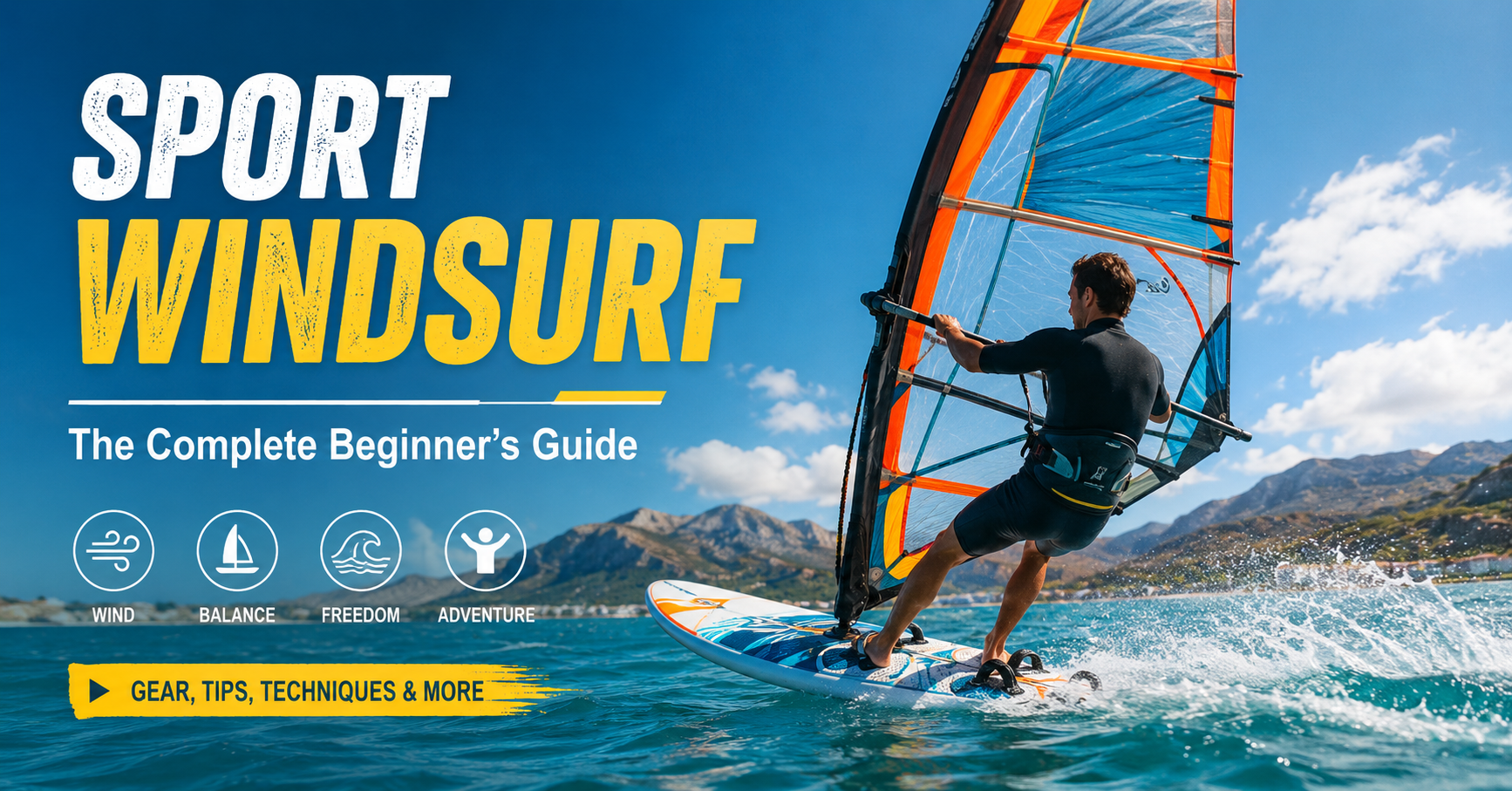

Windsurfing is one of the most exciting water sports in the world. It combines the thrill of surfing with the strategy and control of sailing. Whether you want an adventurous hobby, a fun way to stay fit, or a chance to connect with nature, sport windsurf offers an unforgettable experience.
Over the years, windsurfing has grown from a niche activity into a globally recognized sport enjoyed by beginners and professionals alike. Beaches and coastal destinations worldwide now offer lessons, rentals, and competitions that attract thousands of enthusiasts every year.
If you are curious about how windsurfing works, what equipment you need, and whether it is difficult to learn, this guide will help you understand everything in simple terms.
What Is Sport Windsurf?
Sport windsurf, commonly known as windsurfing, is a water sport that combines elements of surfing and sailing. Participants stand on a board attached to a sail and use wind power to move across the water.
Unlike traditional surfing, windsurfing does not rely only on waves. Riders use wind direction and sail control to glide, turn, and perform tricks. Because of this, windsurfing can be enjoyed in oceans, lakes, and even large rivers.
The sport ranges from relaxing recreational rides to high-speed racing and freestyle competitions. Beginners usually start in calm waters with light winds before progressing to more advanced conditions.
The History of Windsurfing
Windsurfing became popular during the 1970s after the modern windsurf board design was introduced. The sport quickly spread across Europe, North America, and Australia because it offered a unique mix of adventure and freedom.
By the 1980s, professional competitions and international championships helped windsurfing become mainstream. It even became an Olympic sport, which increased global interest significantly.
Today, modern technology has made boards lighter, sails stronger, and learning easier for newcomers.
Essential Windsurfing Equipment
Before entering the water, it is important to understand the basic equipment used in windsurfing.
Windsurf Board
The board is the main platform riders stand on. Beginner boards are wider and more stable, making balance easier. Advanced boards are smaller and faster for experienced riders.
Sail
The sail catches the wind and provides movement. Sail sizes vary depending on wind conditions and rider experience.
Mast and Boom
The mast supports the sail vertically, while the boom is the horizontal bar riders hold to control movement and direction.
Wetsuit
A wetsuit keeps riders warm in colder water conditions and offers some protection from the sun and minor impacts.
Safety Gear
Important safety items include:
- Life jacket or buoyancy aid
- Helmet
- Safety leash
- Sunscreen and sunglasses
Using proper safety equipment is especially important for beginners.
Why Windsurfing Is So Popular
Windsurfing attracts people of all ages because it combines fitness, adventure, and relaxation. Unlike many sports, it allows participants to enjoy nature while developing physical and mental skills.
Here are some major reasons people love the sport:
- It provides a full-body workout.
- It improves balance and coordination.
- It offers excitement without requiring large waves.
- It can be both relaxing and competitive.
Many windsurfers also describe the sport as mentally refreshing because being on the water helps reduce stress and improve focus.
Is Windsurfing Difficult to Learn?
One of the most common questions beginners ask is whether windsurfing is hard to learn. The answer depends on patience, weather conditions, and proper instruction.
Most beginners can learn the basics within a few lessons. Standing on the board and controlling the sail may feel challenging at first, but modern beginner-friendly equipment makes the process much easier than it was years ago.
Learning usually follows these stages:
- Understanding wind direction
- Balancing on the board
- Pulling up the sail
- Steering and turning
- Controlling speed
With consistent practice, many people become comfortable riding independently within a few weeks.
Health Benefits of Sport Windsurf
Windsurfing is not just fun; it also offers several physical and mental health benefits.
Full-Body Exercise
The sport engages multiple muscle groups at once. Your legs maintain balance, your core stabilizes movement, and your arms control the sail.
Improved Cardiovascular Health
Continuous movement increases heart rate and supports better endurance and stamina.
Better Mental Focus
Because riders constantly adjust to wind and water conditions, windsurfing improves concentration and decision-making skills.
Stress Relief
Spending time outdoors and on the water naturally helps many people feel calmer and more relaxed.
Types of Windsurfing
Windsurfing includes several styles, each offering a unique experience.
Freeride Windsurfing
This is the most beginner-friendly style. Riders focus on smooth cruising and enjoying the water.
Wave Windsurfing
Wave windsurfing combines surfing techniques with sail control in ocean waves.
Freestyle Windsurfing
Freestyle riders perform jumps, spins, and tricks. This style requires advanced skills and strong wind conditions.
Racing
Competitive windsurf racing focuses on speed and tactical sailing skills.
Pros and Cons of Sport Windsurf
| Pros | Cons |
|---|---|
| Excellent full-body workout | Learning curve for beginners |
| Improves balance and coordination | Weather dependent |
| Exciting outdoor activity | Equipment can be expensive |
| Suitable for different skill levels | Requires physical effort |
| Helps reduce stress | Wind conditions may change quickly |
Best Conditions for Windsurfing
Choosing the right conditions is important for both safety and enjoyment.
Beginners should practice in calm waters with moderate wind speeds. Strong winds and rough waves can make learning difficult and dangerous.
Ideal beginner conditions include:
- Wind speed between 10–15 knots
- Flat or small-wave water
- Warm weather
- Open areas without obstacles
Many professional instructors recommend morning sessions because winds are often calmer during that time.
Safety Tips for Beginners
Safety should always come first when practicing any water sport.
Take Lessons
Professional lessons help beginners learn proper techniques faster and reduce accidents.
Check Weather Conditions
Always review wind forecasts and avoid storms or extreme weather.
Never Surf Alone
Having another person nearby increases safety in case of equipment failure or fatigue.
Stay Within Your Skill Level
Avoid deep water or strong winds until you gain more experience.
These basic precautions can make windsurfing safer and far more enjoyable.
Popular Windsurfing Destinations
Some locations are famous worldwide for excellent windsurfing conditions.
Maui, Hawaii
Known for strong winds and beautiful beaches, Maui attracts professional riders from around the world.
Tarifa, Spain
Tarifa is famous for consistent winds and vibrant windsurfing culture.
Dahab, Egypt
This destination offers warm water and beginner-friendly conditions.
Australia’s Gold Coast
The Gold Coast provides excellent beaches and ideal weather for water sports lovers.
These destinations often host international windsurfing competitions and training camps.
How Much Does Windsurfing Cost?
The cost of windsurfing depends on whether you rent or buy equipment.
Beginners usually start with rental packages or lessons. This approach is more affordable and allows new riders to test the sport before investing in gear.
Basic costs may include:
- Lessons
- Equipment rental
- Wetsuit purchase
- Travel expenses
Advanced equipment can become expensive, but many riders gradually upgrade their gear over time.
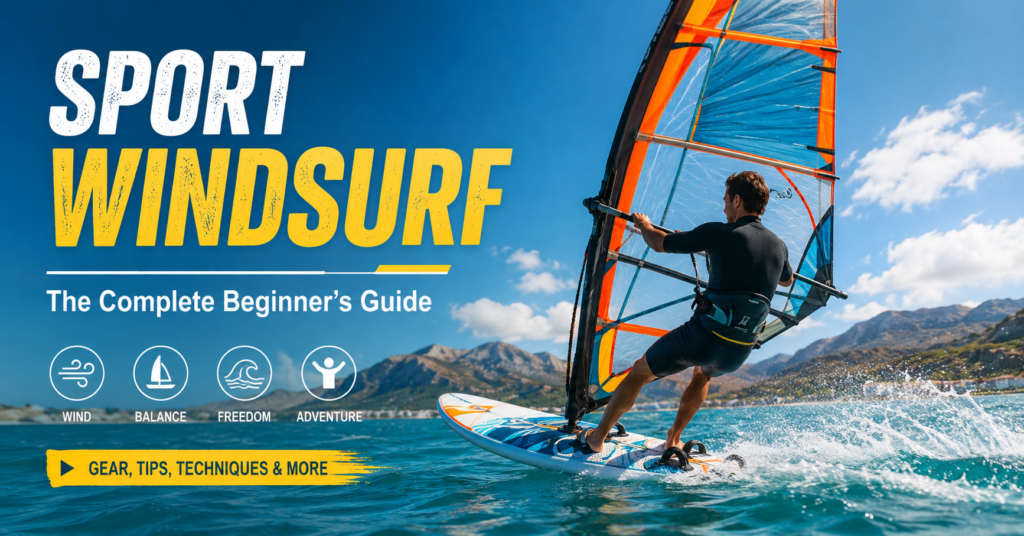
The Future of Sport Windsurf
Windsurfing continues to evolve with modern technology and growing global interest. Lightweight materials, improved sail designs, and eco-friendly equipment are making the sport more accessible than ever.
Social media and online tutorials have also helped introduce younger audiences to windsurfing culture. As water sports tourism grows worldwide, more people are discovering the excitement of riding with the wind.
Conclusion
Sport windsurf is an exciting and rewarding activity that combines adventure, fitness, and skill. Whether you want a relaxing ride across calm water or the adrenaline of high-speed racing, windsurfing offers something for everyone.
Although beginners may face a learning curve, proper lessons and practice can quickly build confidence. The sport not only improves physical fitness but also creates memorable outdoor experiences.
If you have ever wanted to try a water sport that feels both challenging and freeing, windsurfing may be the perfect choice. Start with beginner-friendly conditions, stay safe, and enjoy the thrill of moving with the power of the wind.